Introduction
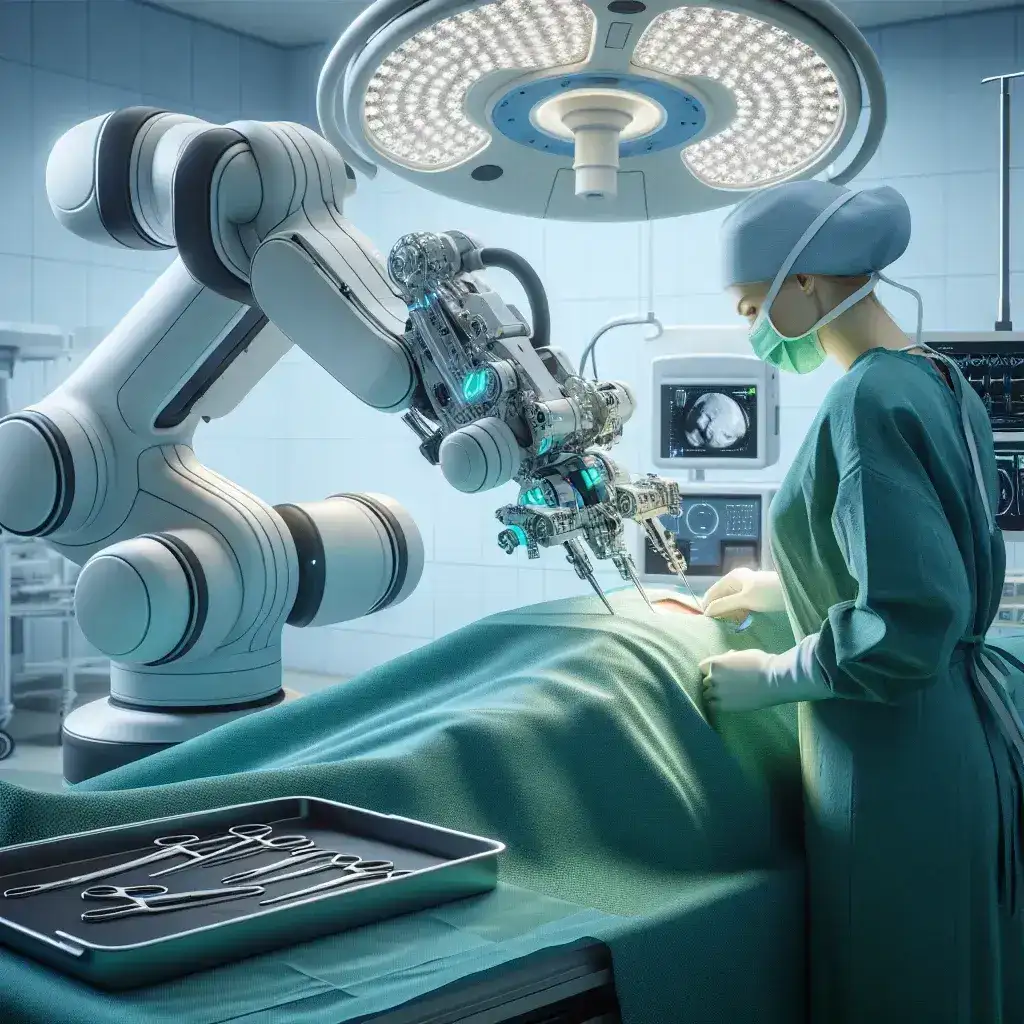
The integration of robotics in surgery has revolutionized the medical field, enhancing precision, reducing recovery times, and improving patient outcomes. As technology advances, the partnership between surgeons and robots has led to what is now recognized as hybrid procedures. This article delves into the innovative alliance of human skill and robotic technology, exploring its historical context, current applications, benefits, challenges, and future implications.
Historical Context of Robotic Surgery
Robotic surgery is not entirely new; its roots can be traced back to the late 1980s when the first robotic surgical system was developed. However, it wasn’t until the early 2000s that robotic-assisted surgeries became more mainstream, particularly with the introduction of the da Vinci Surgical System. This system allowed surgeons to perform minimally invasive procedures with enhanced dexterity and vision, paving the way for further advancements.
Evolution of Hybrid Procedures
Hybrid procedures combine the expertise of surgeons with the capabilities of robotic systems, enabling a new level of surgical precision. Initially, hybrid procedures involved the use of imaging technology alongside traditional surgical techniques. As robotic systems evolved, these procedures began to incorporate robotic assistance for tasks such as suturing, cutting, or even performing complex maneuvers that require a steady hand.
Understanding Hybrid Procedures
Hybrid procedures typically involve a combination of laparoscopic techniques and robotic assistance. This allows surgeons to leverage the benefits of both approaches, resulting in less invasive surgeries with optimal outcomes.
Common Hybrid Surgeries
- Robotic-Assisted Laparoscopic Surgery: This type of surgery employs robotic systems to assist surgeons in performing laparoscopic procedures, such as cholecystectomy or prostatectomy.
- Cardiothoracic Hybrid Surgery: Surgeons may use robotic systems in conjunction with traditional techniques for complex cardiovascular procedures.
- Orthopedic Hybrid Procedures: In orthopedic surgeries, robotic systems assist in joint replacements, ensuring precise placement and alignment.
The Advantages of Surgeon-Robot Collaboration
Enhanced Precision
One of the most significant advantages of using robots in surgery is the enhanced precision they offer. Robotic systems can execute intricate movements that are often beyond human capability, resulting in more successful outcomes.
Reduced Recovery Time
Minimally invasive procedures facilitated by robotic assistance often lead to quicker recovery times for patients. Smaller incisions mean less trauma to the body, reducing pain and speeding up the healing process.
Improved Visualization
Robotic systems are equipped with high-definition cameras that provide surgeons with an unparalleled view of the surgical site, allowing for better decision-making during procedures.
Increased Surgeon Control
Surgeons maintain full control during hybrid procedures, using robotic systems to enhance their capabilities rather than replace them. This collaboration ensures that the surgeon’s expertise is complemented by robotic precision.
Challenges and Considerations
Training and Skill Development
While the integration of robotic systems in surgery presents numerous benefits, it also requires extensive training and skill development for surgeons. The learning curve associated with robotic systems can be steep, and not all surgeons may feel comfortable transitioning to this new technology.
Cost Implications
The implementation of robotic systems in surgical practices can be costly. High initial investments in equipment and ongoing maintenance expenses can pose financial challenges for healthcare institutions.
Technology Dependence
As surgeons increasingly rely on robotic systems, there is a risk of becoming overly dependent on technology. It is essential for medical professionals to strike a balance between utilizing robotic assistance and maintaining their surgical skills.
The Future of Hybrid Procedures
The future of hybrid surgical procedures is promising, with advancements in technology continuing to evolve at a rapid pace. Here are some predictions for the upcoming years:
Integration of AI
Artificial intelligence is expected to play a significant role in enhancing robotic surgical systems. AI algorithms can analyze vast amounts of surgical data, providing insights that can improve surgical outcomes and guide surgeons during procedures.
Tele-surgery
With the rise of telemedicine, the potential for remote surgeries using robotic systems is becoming a reality. Surgeons may be able to perform procedures from afar, leveraging robotic technology to assist in real-time.
Expansion of Applications
As technology advances, the applications of hybrid procedures are likely to expand beyond traditional surgeries. New areas, such as regenerative medicine and complex organ transplants, may benefit from robotic assistance.
Real-World Examples
Case Study: Robotic-Assisted Prostatectomy
A prominent example of hybrid procedures is robotic-assisted prostatectomy, which has been shown to result in less blood loss and shorter hospital stays compared to traditional methods. Surgeons report higher rates of nerve-sparing techniques, resulting in better postoperative quality of life for patients.
Case Study: Robotic Cardiac Surgery
In cardiac surgery, hybrid approaches have led to reduced complications and faster recovery times. A study found that patients undergoing robotic-assisted coronary artery bypass surgery had significantly shorter hospital stays compared to traditional surgery.
Conclusion
The partnership between surgeons and robots in hybrid procedures signifies a transformative leap in the surgical landscape. By combining the precision of robotic systems with the expertise of skilled surgeons, the future of surgery looks brighter than ever. As technology continues to advance, the possibilities for hybrid procedures will expand, offering patients safer, less invasive surgical options. Embracing this evolution will not only enhance surgical outcomes but will also redefine the future of medicine as we know it.
Leave a Reply